
Karolinska Institute; Human Protein Atlas
Researchers at the Neuroscience Department of the Karolinska Institute are busy mapping all the proteins of the human body in the ambitious Human Protein Atlas project. They generate large image stack data from iDISCO+ light-sheet microscopy that they want to view, edit and share - without losing any of it.
Image stack data that is challenging due to size and complexity
The KI researchers approached us with a familiar problem: they spend weeks preparing and scanning tissue samples with world-class volume imaging, only to be forced to downscale and crop the data in order to visualize, share and study their results.
The full biological truth of their scans, shared easily
Virtual Matter lets the researchers upload tens of gigabytes of raw data to the cloud. Once there, it becomes a World that can be shared with a simple URL - viewable interactively by anyone, no signup, no install.
From capture to living World
Preparing and scanning samples
First, the KI researchers generate large image stacks with iDISCO+ light-sheet microscopy at sub-micron resolution - a process that takes several weeks of staining and scanning.
Uploading the data, without compromise
No need to turn it into a decimated mesh, or downsample / crop any of the image stack - the entire captured sample is uploaded and voxelized in the cloud.
Delivering the data with all its detail
Once filled with datasets, a World can instantly be shared by sending a link to anyone with a modern web browser, who can view it all with a single click.
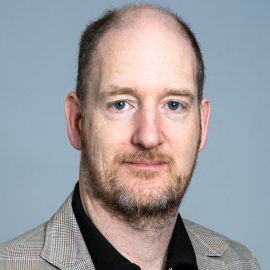
"In the life sciences, it's easy to create large image datasets. However, it's challenging to view, edit and share them with others without cropping or downsampling heavily - which gets in the way of our work. We have found a solution to this problem in the Atomontage platform."
Upload your heaviest data - for free
Other use cases
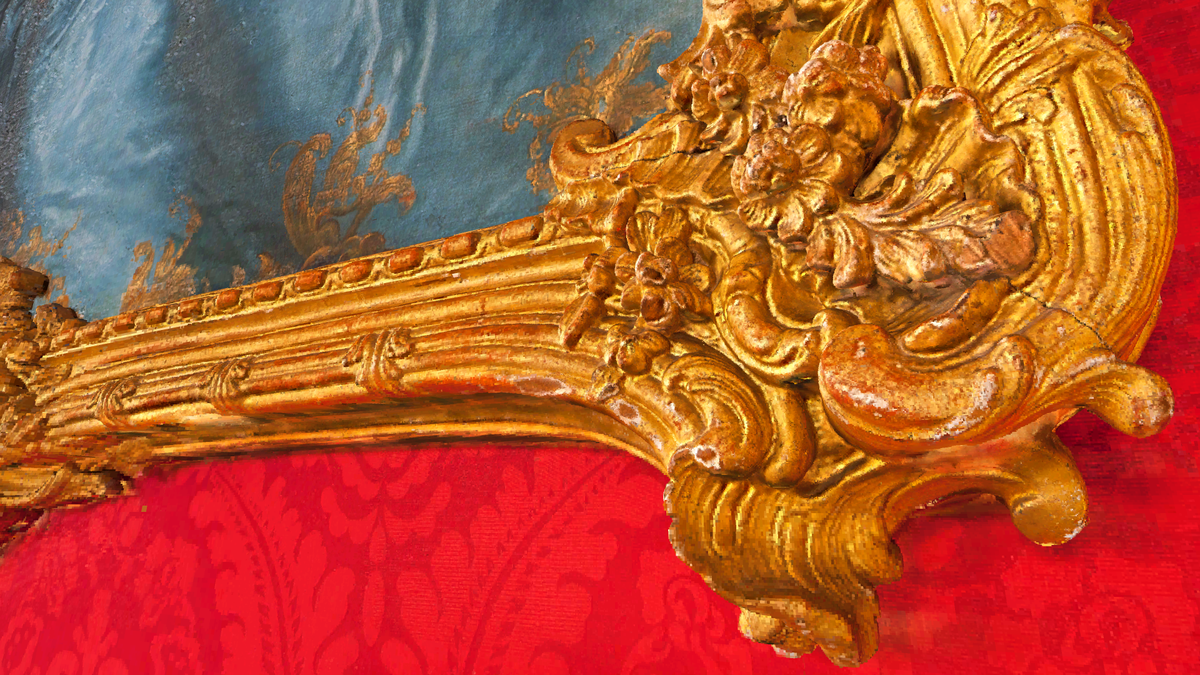
Paul Safko - sub-millimeter cultural heritage
An entire Czech palace salon - paintings, baroque furniture and all - captured and shared at 0.125mm in a single World.
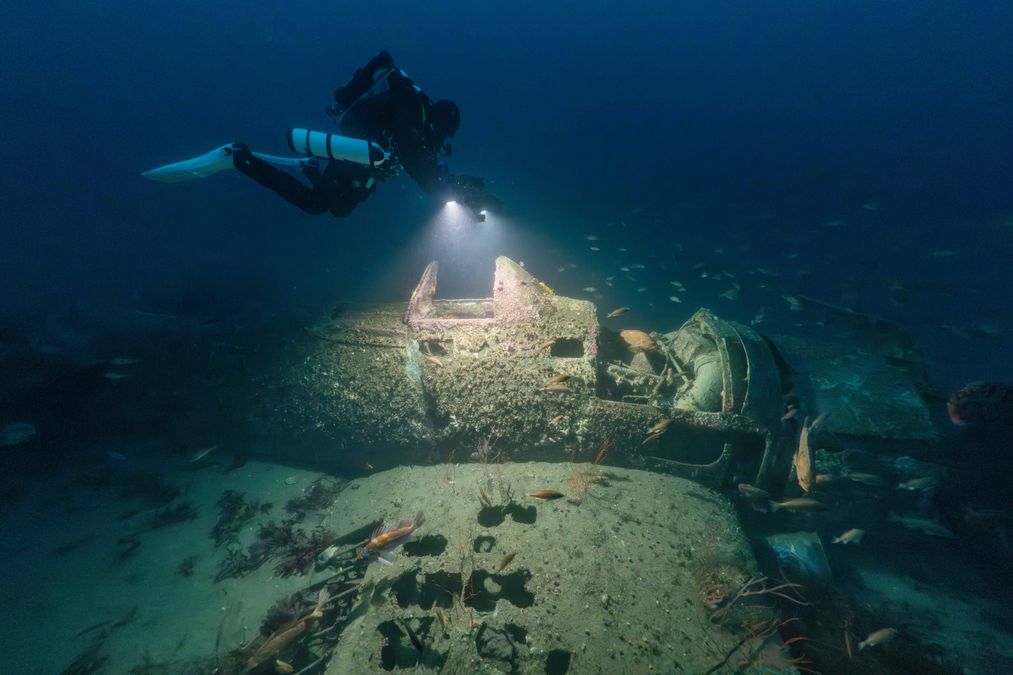
Brett Eldridge - underwater wreck scans
Technical diver Brett Eldridge scans deep wrecks with thousands of photos. Multiple of his hugely detailed scans can now be viewed in a browser, on a phone, or in mobile XR - without compromising on size or detail.