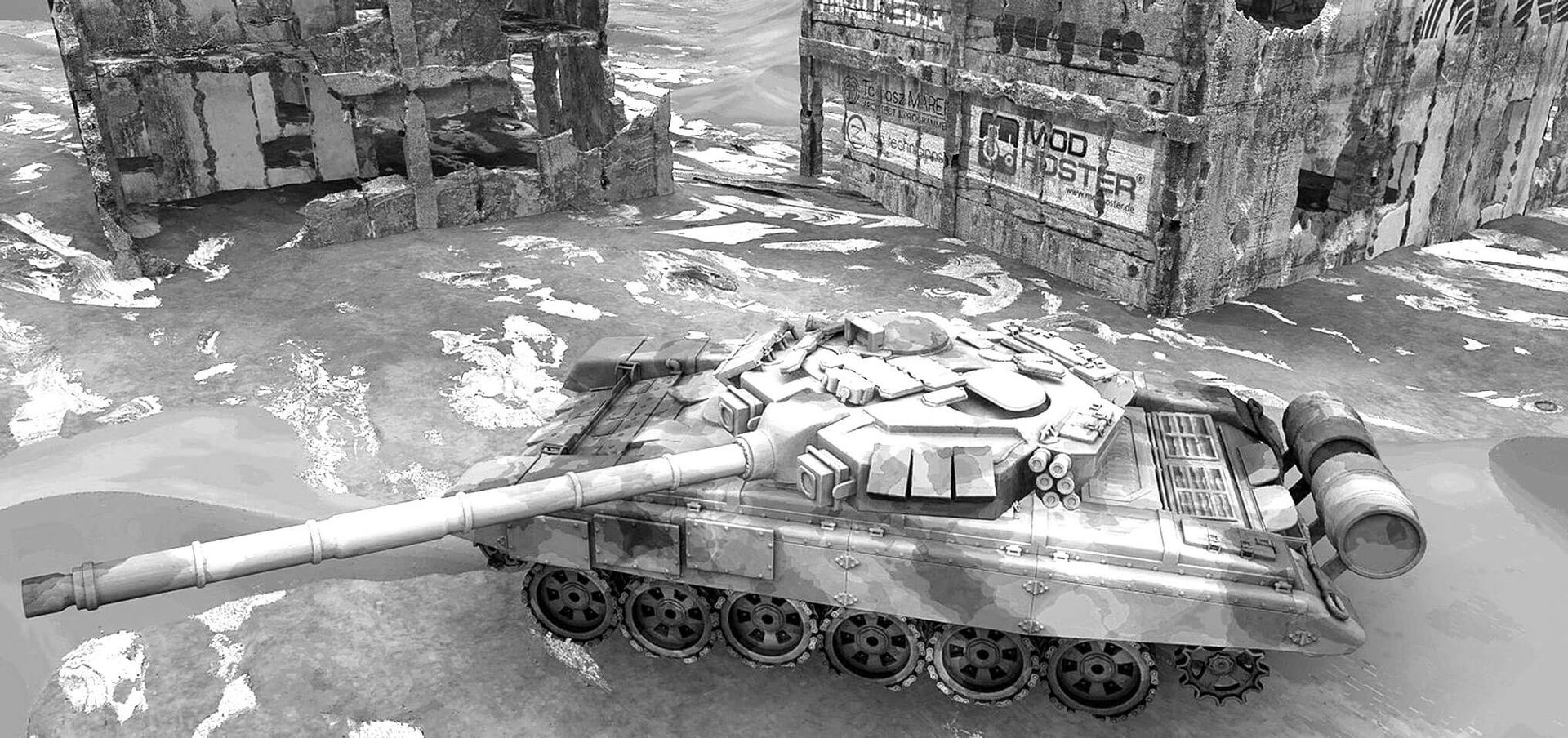

TOGETHER, WE MAKE WORLDS THAT MATTER
A truly universal platform for making, sharing, and monetizing 3D content
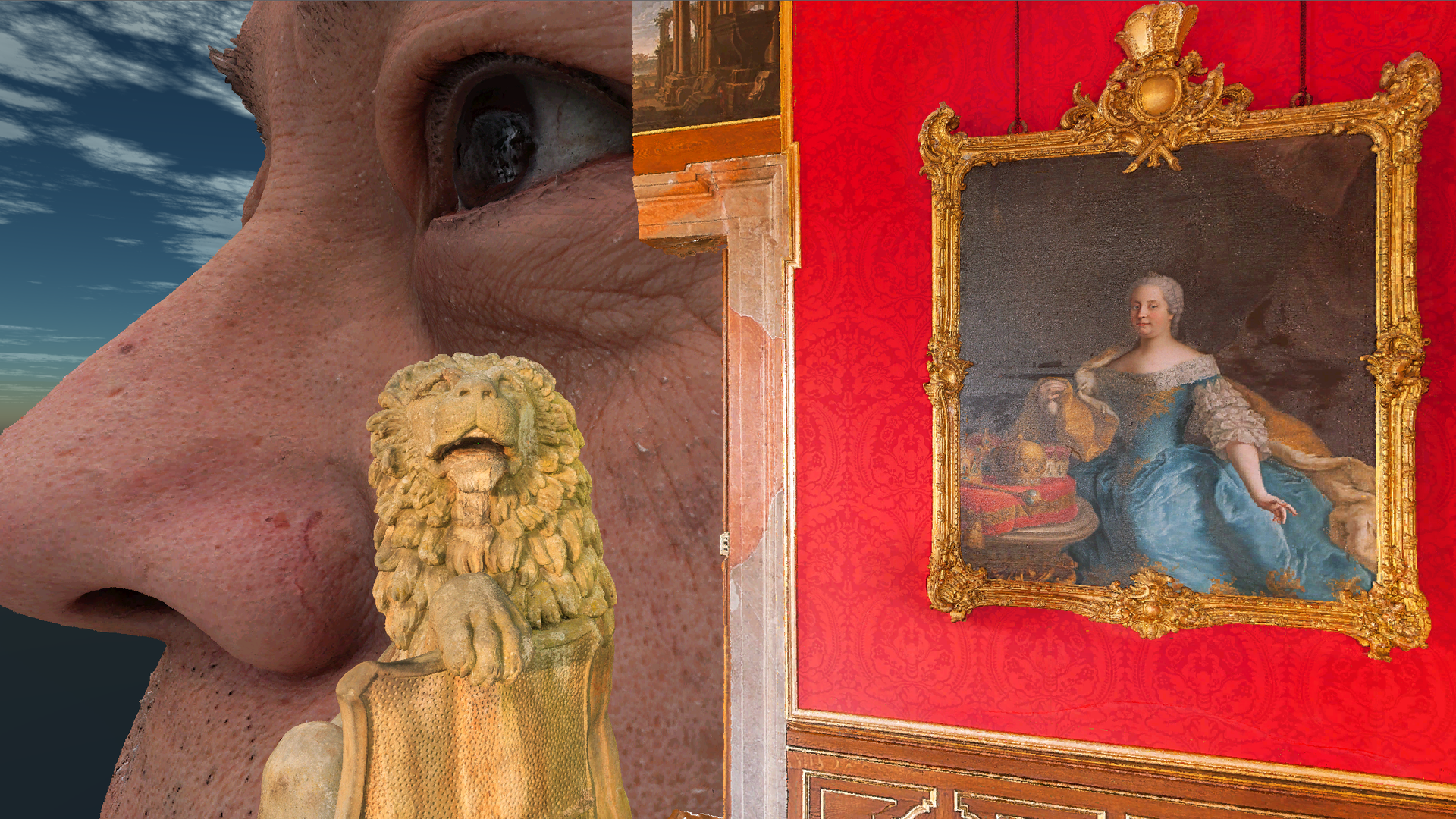
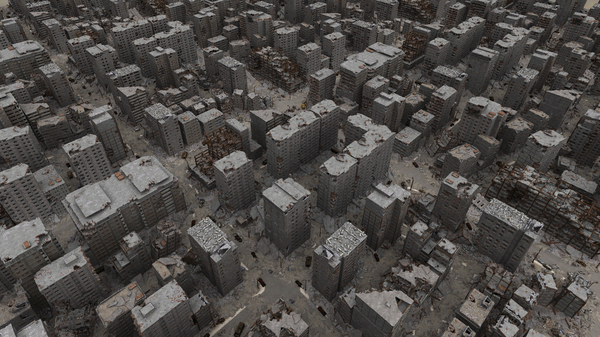
Based on breakthroughs from 20+ years of R&D, our Virtual Matter™ (streaming microvoxels) unlocks a universe of experiences previously not possible with conventional 3D simulation and rendering techniques.
Live Montage Prototypes
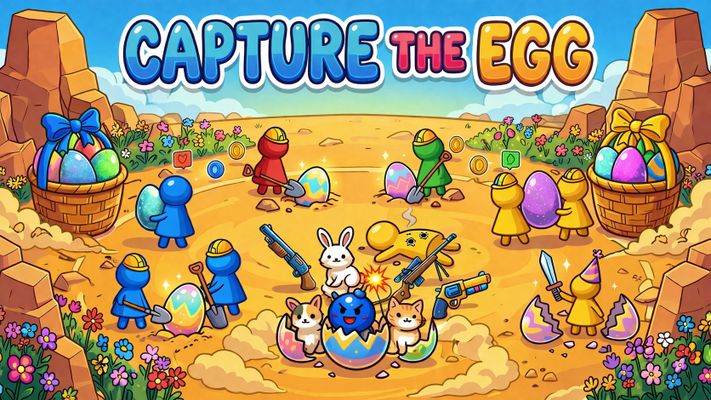
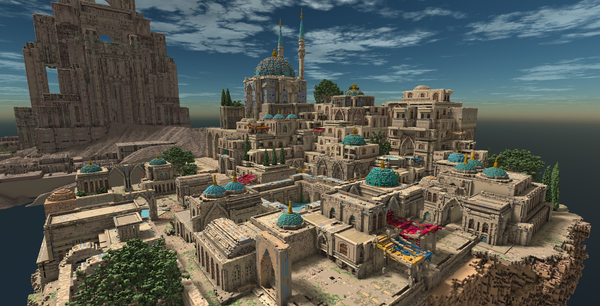
Montages are the shared volumetric worlds of the Atomontage platform. Experience a selection of Montage prototypes here that give you a taste of what can be made.
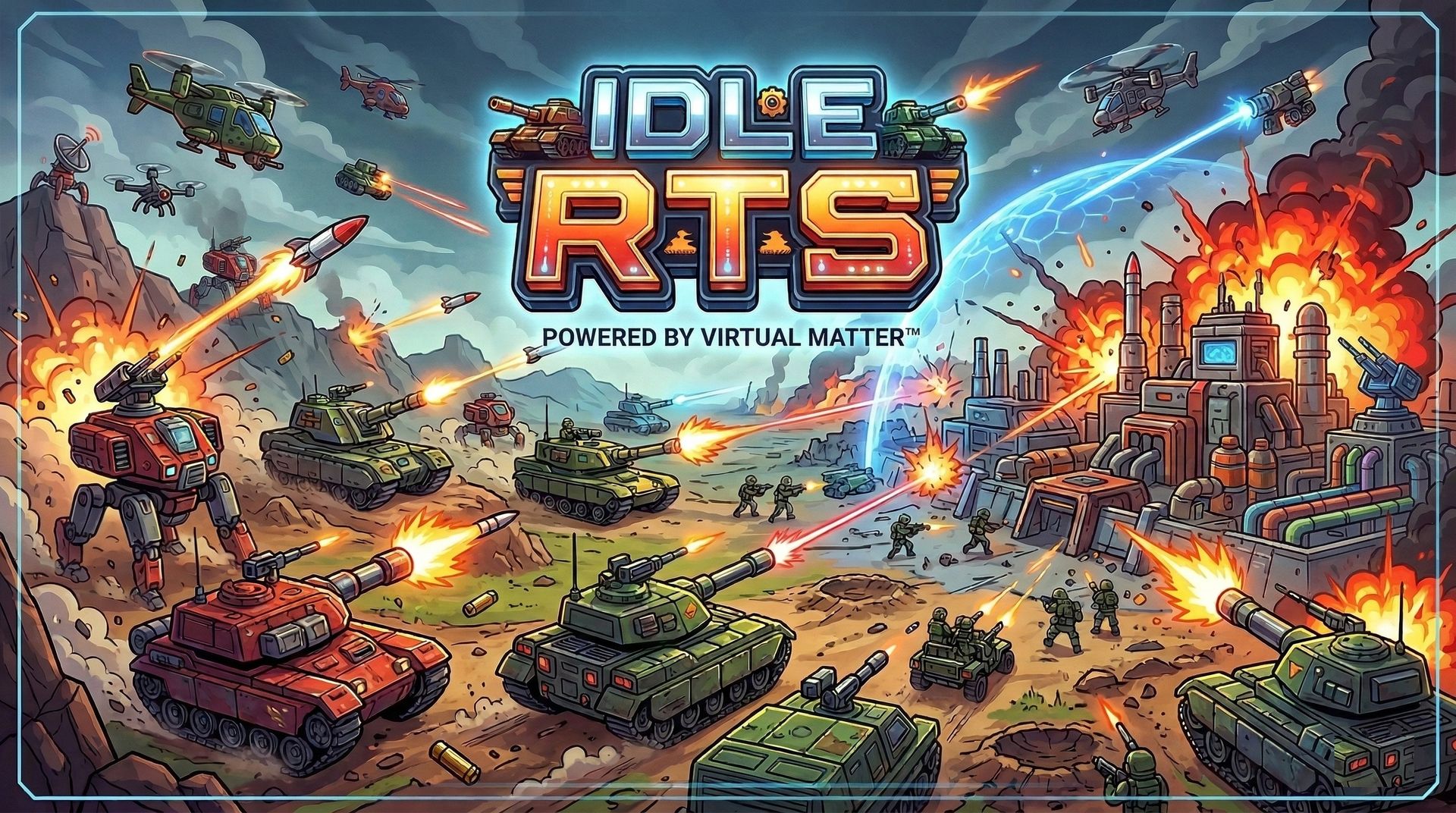
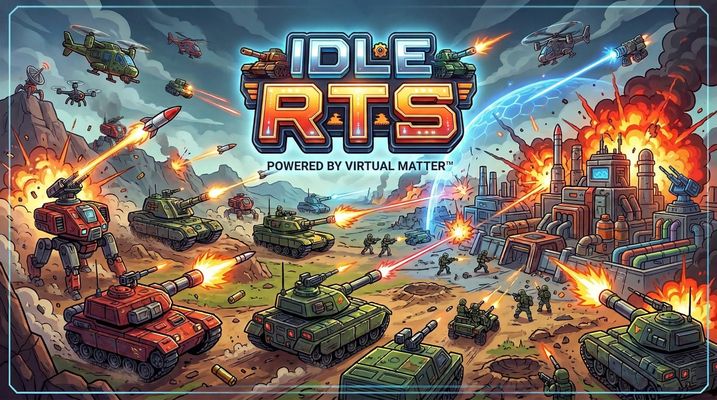
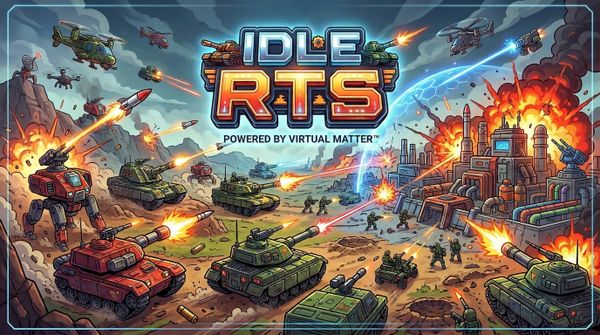
Idle RTS
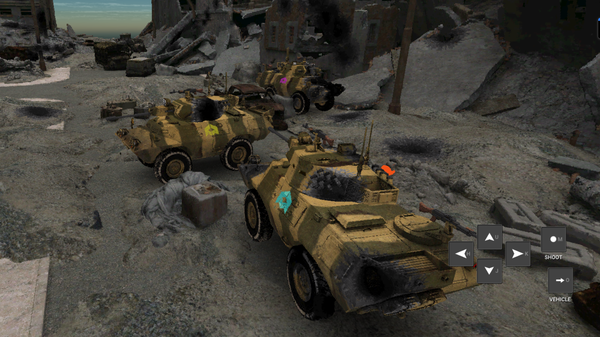
A self-playing Real Time Strategy game with classic PC vibes. You (and your friends) play as a rouge helicopter who can simply observe the intense tank battles below - or shift them with a carefully placed missile or two! Reset the game by destroying the last surviving team's HQ.





Start your 3D world in the cloud right now - for free
Make worlds

NOW: Upload, edit, and instantly share your deep 3D worlds
Similar to how you might upload and share your large video or audio files in the cloud, you are now able to do the same with your 3D content - without size or complexity concerns.
Make money
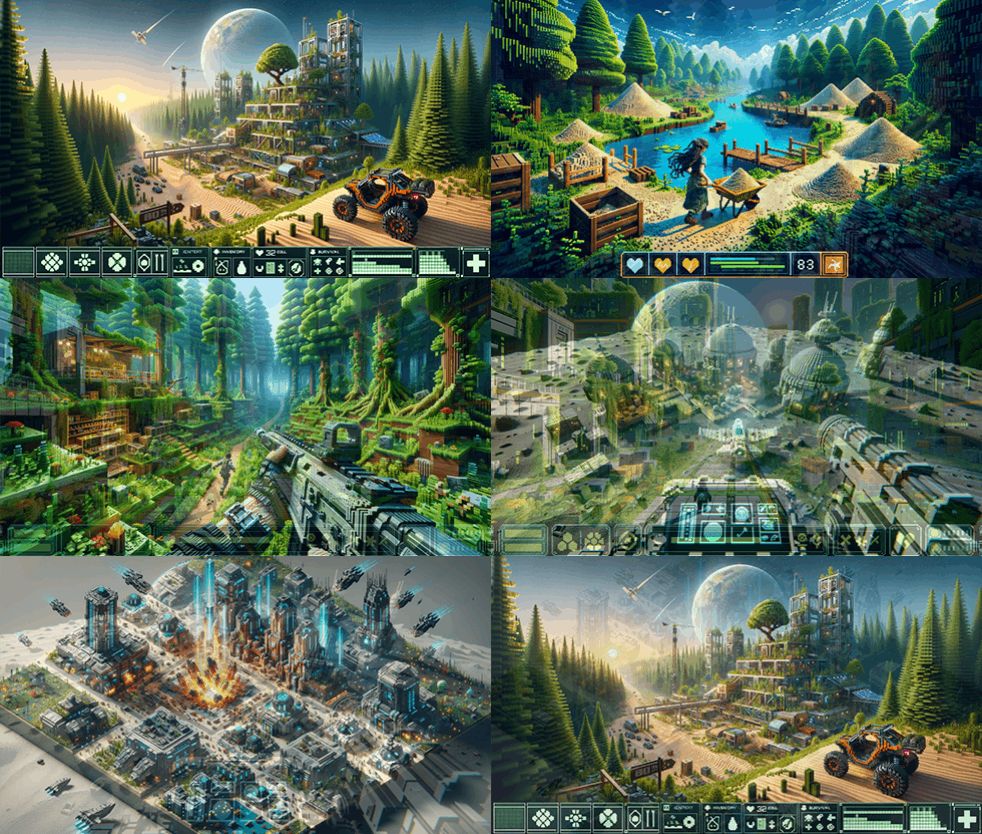
SOON: Make, publish, and EARN from interactive experiences
We are already working toward allowing you to collaboratively make experiences and assets with whole new levels of creative potential - and directly monetize them!
Universal input
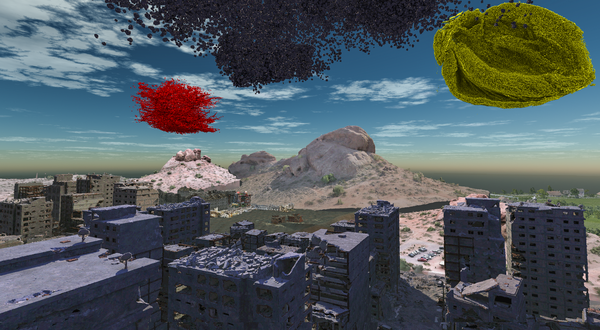
Mix and remix almost any 3D content
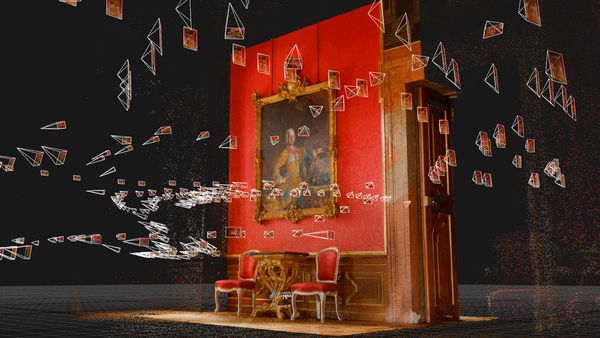
We are continually adding support for more 3D types and formats that you can upload and convert to universal Virtual Matter™. Once processed, all these different sources can be effortlessly mixed together, and then re-mixed endlessly.
Universal editing
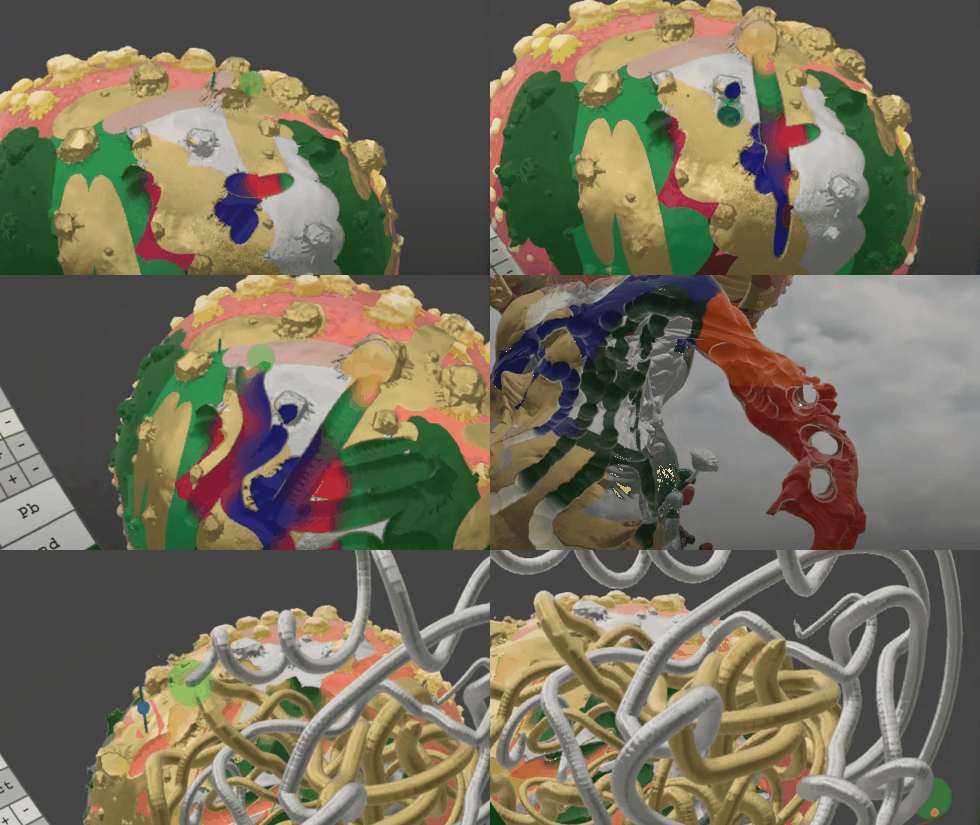
Invite others to edit everything, intuitively
Changing the 3D content side-by-side in real time - or asynchronously - should be as easy as typing together in a cloud document. We are building an environment for you and others to edit every aspect of these worlds, together.
Universal output
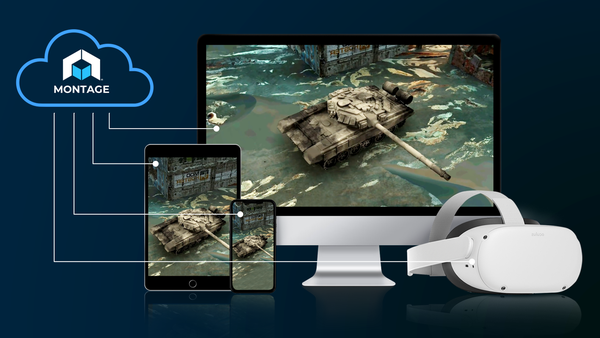
Instantly share worlds to almost any device
Our underlying technology scales both up and down based on the capabilities and connection of each receiving device: Mobile phones to gaming PCs; congested 4G to fiber; touch screens to XR interfaces - the experience will come through.
What maker are you?
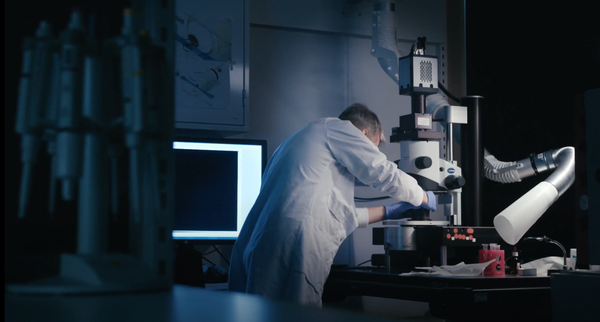
Being a universal platform, Atomontage is for all kinds of Montage Makers - from creative individuals to cutting-edge organizations:
Start your 3D world in the cloud right now - for free
Latest Articles
Release
New game entirely made through Virtualmatter.ai: Idle RTS
April 1, 2026
We are proud to present a new and terribly exciting prototype we prompted up in record time through our upcoming product: VirtualMatter.ai!
We've long had this tantalizing idea of a classic PC Real-Time Strategy game where everything is destructible - and we were now able to make it in a few hours sprinkled between everything else we're doing, not weeks or months of focused development time.
Read more

Atomontage Newsletter
Get all the latest news on groundbreaking features and developments!